

I’ve been messing with Solana wallets for a while now. At first it felt like another shiny app that might disappear tomorrow. But then I actually used one for months and it changed how I interact with DeFi on Solana—faster, cheaper, and surprisingly smooth. If you want a browser-based wallet that plugs into DeFi dapps with minimal friction, extensions are where most people start.
Browser extensions are convenient. They keep your keys on your device, they connect directly to websites, and they make signing transactions quick. That convenience comes with trade-offs though—so I’ll walk through what matters: security basics, common features, setup steps, and practical tips for day-to-day use. If you’re in a hurry: many users prefer a well-known extension like phantom for the balance of UX and features, but I’ll explain why and what else you might consider.
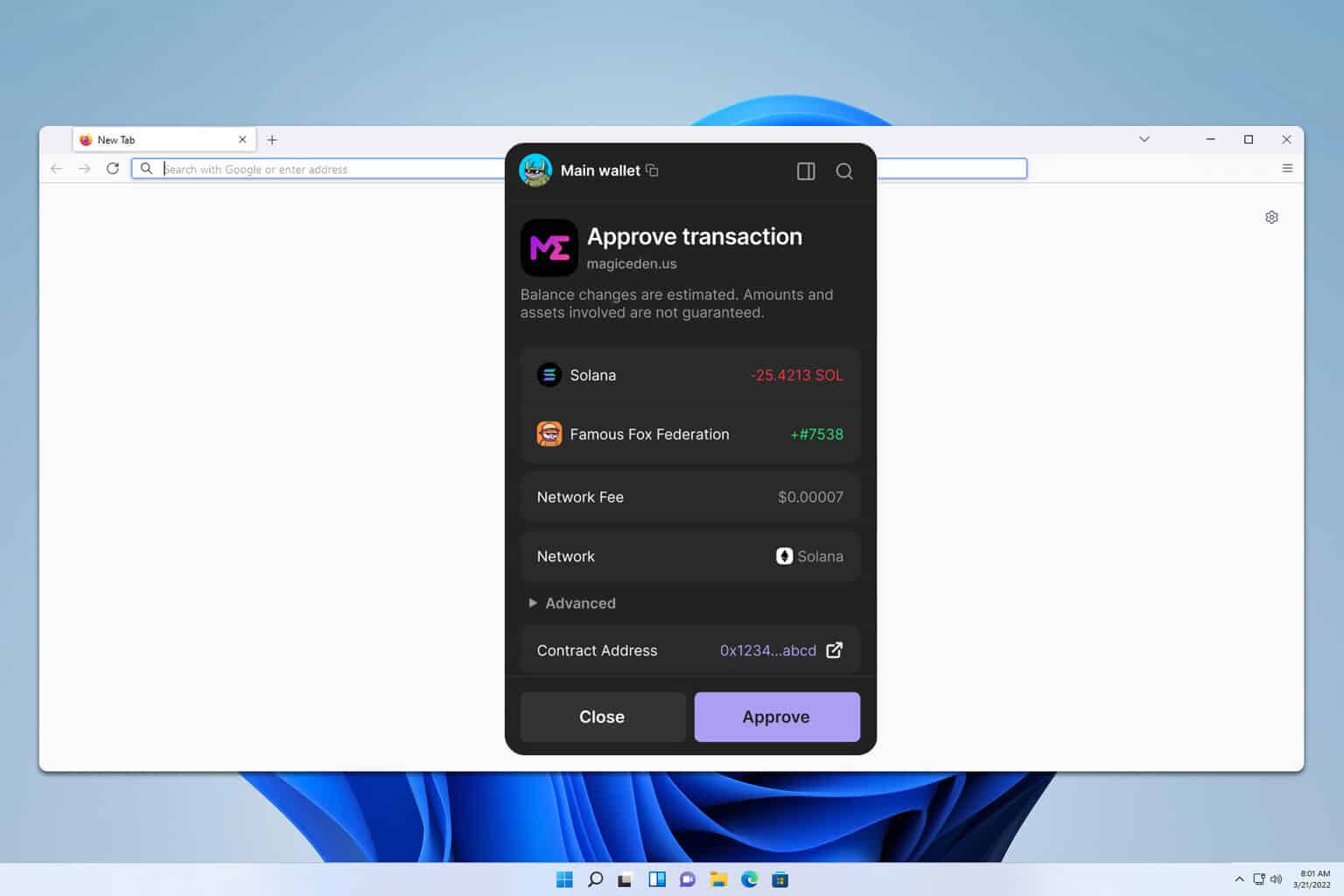
Why use a browser extension wallet?
Extensions are the easiest bridge between you and Solana dapps. No full node. No CLI. Just install, create or import a wallet, and authorize connections on pages that support the wallet adapter. That means swapping tokens, staking, using NFTs, and interacting with lending protocols directly from Chrome, Brave, or other Chromium-based browsers.
Pros: speed, ease of access, and integration. Cons: your private key is on a device that might get compromised, and browser environments add attack surface compared with hardware-only setups. So think of extensions as the « daily driver » rather than the vault.
Core features to evaluate
Not all extensions are equal. When picking one look for:
- Key management model — seed phrase, encrypted local storage, and the option to lock automatically
- Compatibility — support for Solana dapps through the Wallet Adapter standard
- User experience — clear transaction previews, network selector, and easy token imports
- Security features — phishing protection, site whitelisting, and integration with hardware wallets like Ledger
- Community trust and audits — active development, open-source components, and third-party reviews
I’ve personally used extensions that had slick UX but were missing hardware wallet support; that bugs me. If you’re moving meaningful value, hardware integration matters.
Setting up a browser extension wallet (practical steps)
Okay, so check this out—here’s a simple path you can follow to get started safely.
- Download from an official source. Avoid random links and search results that could be spoofed.
- Install the extension and create a new wallet. Write down the seed phrase on paper—do not store it in plaintext on your computer or cloud drive.
- Set a strong local password for the extension and enable automatic lock after short idle time.
- Enable hardware wallet integration (if you have one) and test by connecting and signing a small transaction.
- Send a small test amount before moving larger funds.
My instinct says most people skip the test-send step, but do it. You’ll catch network selection mistakes, token decimals, and UX assumptions before a costly error happens.
Security practices specific to browser extensions
Extensions live in your browser. That means ad-injectors, malicious websites, and other extensions can influence the environment. A few practical safeguards:
- Keep your browser and extension up to date.
- Limit other extensions—each extra extension increases risk.
- Use separate browser profiles: one for wallets/crypto and another for general browsing.
- Consider a hardware wallet for large balances; use the extension only for day-to-day amounts.
- Watch for phishing: never paste your seed phrase into a website, and verify domain names before connecting.
I’ll be honest: the trade-offs are annoying sometimes. You get speed and convenience at the cost of being more vigilant. But that vigilance is manageable with a few habits.
Popular extension wallets on Solana
There are a handful of wallets that most people encounter. Each has a different focus:
- Phantom — polished UX, strong dapp support, hardware wallet integration, and a large user base. Great for most users who want a friendly, well-supported experience. The extension is easy to install and use; many Solana dapps assume Phantom compatibility out of the box. See phantom for one official download path.
- Slope — lightweight and mobile-first, though early versions raised some security questions; check latest community feedback before use.
- Solflare — multi-platform support including browser extension and hardware integration, with a focus on staking and portfolio features.
Choose based on what you value: UX polish, open-source transparency, or multi-device support. If you’re unsure, start with a small amount on a wallet that’s widely recommended and has good documentation.
Frequently asked questions
Are browser extensions safe for crypto?
They can be, if you follow good security hygiene: use official downloads, write down seed phrases offline, enable hardware wallets for larger amounts, and compartmentalize your browsing. Treat the extension as a convenience tool, not an all-in-one vault.
Can I connect a Ledger or other hardware wallet to a browser extension?
Yes. Many Solana extensions support Ledger via USB. When set up, transactions require physical confirmation on the device, which mitigates remote compromise risks. Always verify the extension’s current hardware support and follow setup instructions carefully.
What if I lose my seed phrase?
If you lose the seed phrase and the extension is removed or your device is wiped, you will likely lose access to your funds. There’s no customer support reclaiming it. Back up the phrase in multiple secure forms (paper in a safe, for example) and consider using a hardware wallet to reduce reliance on a seed phrase stored on a single device.
Bottom line: browser extension wallets are powerful and convenient entry points into the Solana ecosystem. Use them wisely—start small, beef up security where you can, and consider hardware wallets for long-term storage. If you’re ready to try a browser extension with a strong mix of usability and features, many people begin with phantom and then add hardware protection as balances grow.